BCI & Consciousness: Life’s New Boundaries
advertisement
For hundreds of years, human existence was constrained by the capabilities of the physical form. In the present day, technology such as brain-computer interfaces and techniques for uploading consciousness are breaking through these restrictions. For wealthy individuals, this is not merely science fiction; it offers a vision of a time when life, experiences, and even the essence of being can move beyond the constraints of a physical body. These advancements go beyond merely improving human abilities; they aim to transform the very definition of life, creating opportunities that were once limited to legends and fantasies.
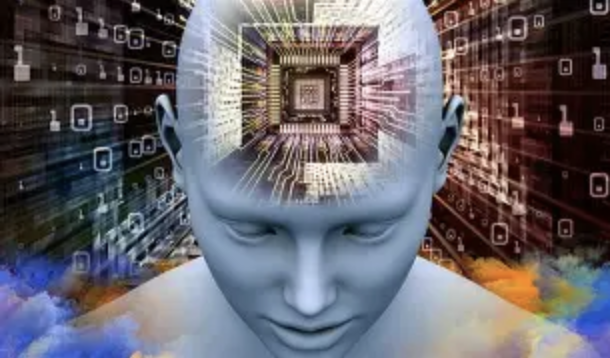
BCIs initially served only the purpose of medical rehabilitation, but now luxury uses are surfacing. Wealthy individuals currently employ non-invasive neural headsets to manage smart homes using only their thoughts—altering lighting, temperature, or selecting art displays without any physical effort. Certain top athletes utilize BCIs to enhance their training, visualizing movements to improve muscle memory. The newest invasive BCIs, inserted with nanoscale precision through surgery, enable users to type 120 words per minute simply by thinking. For the privileged, this goes beyond mere convenience; it signifies a new form of mastery over their surroundings, with a seamless integration of mind and technology.
Ethical Guardianship: Safeguarding the Neural Identity
The presence of neural data introduces unparalleled risks. Wealthy users seek “neural privacy” services that include comprehensive encryption for brain scans, legal protections for digital replicas, and “neural wills” that specify how their digital identities are handled posthumously. Leading companies engage ethical hackers to assess BCI security, guaranteeing that a user's thoughts remain inaccessible and unaltered by others. For affluent individuals, this focus is not solely about data security; it is about protecting their innermost essence, ensuring their neural identity is uniquely theirs.

Cognitive Collaboration: Uniting Minds
The trajectory of BCIs is not limited to personal use—it embraces collaboration. Prominent teams, ranging from scientists to artists, leverage “neural networks” to exchange thoughts and concepts instantaneously. A collective of architects may work together to conceptualize a building through shared neural images, blending their creativity without verbal communication. A philanthropic committee could harmonize their beliefs and strategies through cognitive synchronization, guaranteeing their contributions yield maximum benefits. For the elite, this represents collaboration that goes beyond traditional means—transforming groups into unified “mind collectives” capable of achieving results beyond what any individual could accomplish.
The Mortality Question: Rethinking Life's Conclusion
The idea of uploading consciousness prompts a confrontation with death. Upscale end-of-life services now feature “neural preservation,” which involves cryogenically freezing brain tissue along with digital mappings, providing individuals a possibility to “revive” their digital personas in the future. Some ethical philosophers question whether a digital double genuinely represents “you,” but for numerous wealthy individuals, it serves as a means to sustain connections—to family, their legacy, and their purpose—long after they have passed away. This is not about circumventing death; it is about re-envisioning what follows.

Why This Matters for the Elite
For consumers with significant purchasing influence, BCI technology and consciousness uploading are not mere technological fads—they are profound choices regarding existence. They offer the opportunity to overcome physical boundaries, preserve one's legacy, and experience life in unprecedented manners. Those among the elite who adopt these advancements are not simply early users; they are the designers of the future of existence itself. As the distinctions between mind and machine diminish, the inquiry shifts from what technology can achieve to what it signifies to be human in a reality where consciousness may persist beyond the physical body.
(Writer:Hoock)
Related Articles