Smart Mobility 2.0: Cars Linked to Cities
advertisement
The forthcoming age of intelligent transportation is not solely focused on advanced vehicles; it involves automobiles that communicate with urban environments. For affluent individuals who seek effortless, efficient, and premium travel within cities, this connection changes routine journeys into tailored adventures. The competition for high-end mobility now revolves around the linkage of automobiles with municipal infrastructure, transforming thoroughfares, parking areas, and communal spaces into an extension of the vehicle. Enterprises that close this divide will lead the next phase of city transit.
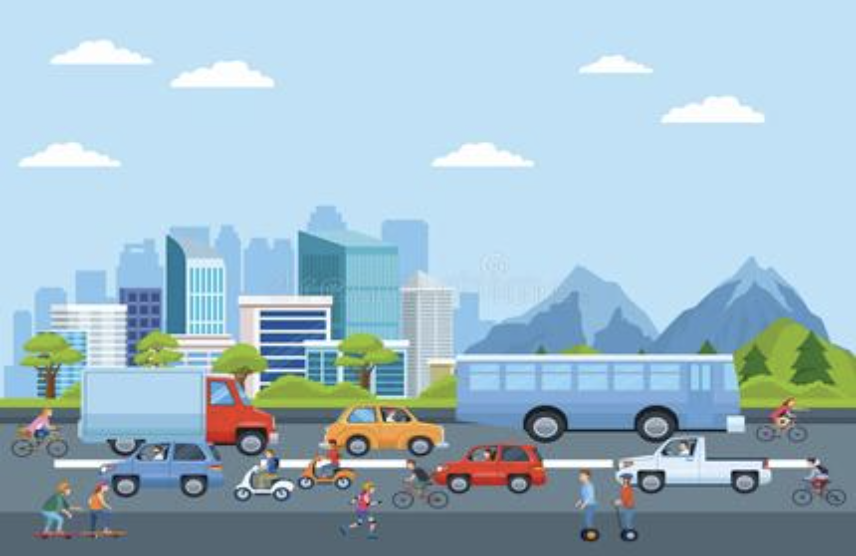
Affluent drivers are unwilling to wait in traffic any longer—they anticipate that urban areas will adjust to their needs. A tech organization collaborates with local governments to provide premium customers with access to live traffic light information, enabling vehicles to pass through intersections smoothly. A hedge fund executive mentioned, "My vehicle knows when the traffic signal will turn green before it becomes visible to me. I’ve reduced my travel time to downtown by 40%." This goes beyond simple navigation; it represents a city designed for the driver, utilizing algorithms that give priority to premium vehicles in low-emission zones and areas with congestion pricing.
Parking Reimagined: The Conclusion of Looping the Block
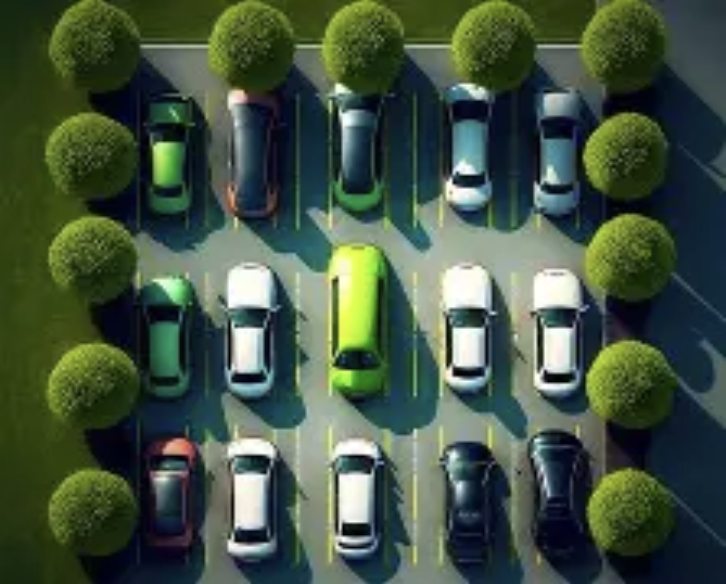
Securing a parking space poses a significant issue for urban luxury car owners—until now. A new company links automobiles to city parking monitors and private garages, ensuring a space is booked prior to the driver's arrival. At an upscale shopping center in Dubai, customers’ vehicles are directed to valet parking through city-connected technology, and the parking charge is automatically billed to their shopping center membership. "I used to waste 20 minutes searching for parking at events," a fashion industry leader expressed. "Now my vehicle drops me off right at the entrance and parks itself. It's akin to having a dedicated parking assistant in the city."
Wealthy consumers desire their transportation methods to be in harmony with environmentally aware cities. A startup's technology enables electric luxury vehicles to return surplus battery energy to the city grid during busy times, providing owners with credits on their utility bills. In Copenhagen, select high-end electric vehicles are connected to municipal solar installations, charging for free during sunny periods. "My vehicle doesn’t merely consume city energy—it actively contributes to the city’s power," remarked a sustainable investor. This partnership transforms electric vehicles into active players in urban sustainability, rather than mere users.
Data Privacy as a Luxury in Urban Settings
As automobiles share information with urban areas, maintaining privacy becomes an exclusive asset. Premium mobility companies provide complete encryption for communications between vehicles and cities, ensuring that customers’ travel routes, parking patterns, and preferences remain private. A high-profile client stated, "I appreciate the ease of my car communicating with the city, but I need assurance that my data isn’t publicly disclosed." Leading providers also empower users to determine which information gets shared—for instance, concealing weekend escapes from urban traffic data analysis—making privacy a personalized option.

The Urban Environment as a Mobility Network
The next stage of smart mobility blurs the distinction between city and vehicle. For affluent consumers, this translates into urban transport that is effective, exclusive, and seamless. Success will not belong solely to automotive or technology firms—it will be achieved by those who integrate vehicles into the city's structure, creating an environment where cars enhance the city rather than merely traversing it. In this envisioned future, luxury extends beyond just the vehicle—it embodies a city that adapts to your travel experience.
(Writer:Juliy)
Related Articles