Smart Living: A Trend, Not a Luxury
advertisement
For wealthy individuals, intelligent living used to be regarded as an extravagant trend meant solely for technology fans. Nowadays, it has transformed into an essential part of lifestyle—more than just a luxury, it is a prevailing trend influencing how affluent people engage in life, work, and relationships. Beyond mere high-tech gadgets, it emphasizes smooth integration, purposeful design, and lasting worth, corresponding with the selective preferences of rich consumers.
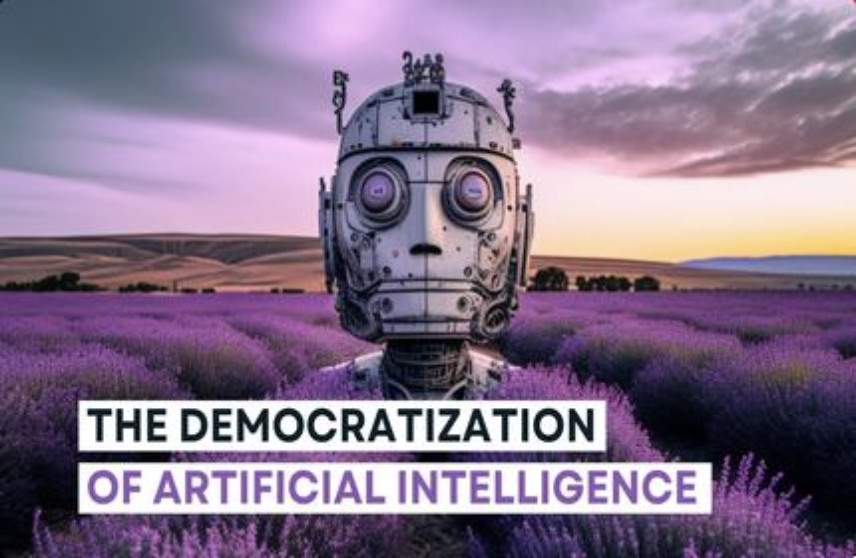
Democratization of Intelligent Design
Smart living has removed its exclusive image as new technologies become more widely embraced in luxury spaces. It is no longer confined to custom, million-dollar setups but has evolved into intuitive solutions embedded within upscale residences, vehicles, and everyday lives. Wealthy consumers now demand smart capabilities as standard features—energy-efficient smart thermostats that adapt to their lifestyles and voice-activated lighting that enhances home interiors by merging practicality with style.
Individuals of significant means prioritize their time above all else, and smart living provides unparalleled efficiency. Beyond merely automating routine tasks, it builds a harmonized ecosystem: smart closets that recommend attire based on schedules and climate, kitchen technology that prepares meals while one is on the go, and home offices that adapt settings for peak concentration. This automation is not merely luxurious—it serves as a strategic asset to regain mastery over hectic schedules.
Wellness-Centric Smart Integration
This trend strongly focuses on overall wellness, a primary concern for wealthier consumers. Smart living technologies now track health indicators—sleep quality, stress levels, and nutritional intake—and adjust surroundings based on this data. Imagine smart beds that provide optimal support according to sleep patterns, air purifiers that react to pollen counts, and lighting that fosters healthy circadian rhythms. This integration of technology and wellness is essential, not just an added luxury.
Sustainable Intelligence as a Norm
Affluent groups are increasingly focused on eco-friendliness, with smart living playing a crucial role in this pledge. Intelligent systems work to reduce waste: smart irrigation that responds to precipitation, energy management solutions that minimize carbon emissions, and appliance networks that enhance electricity use. For wealthy consumers, this represents more than just being environmentally aware—it is a means to harmonize their lifestyle with their values without compromising comfort.
Privacy-First Smart Ecosystems
In contrast to earlier smart technologies, contemporary solutions emphasize privacy—a critical concern for wealthy individuals. Features such as end-to-end encryption, on-device processing, and customizable access controls ensure that smart homes and devices safeguard data while providing convenience. This evolution has transformed smart living from a risky indulgence into a secure and vital aspect of everyday existence.
Intergenerational Smart Adaptability
Smart living goes beyond age, accommodating multi-generational families. For affluent households, this entails systems designed for the safety of children, productivity for adults, and comfort for seniors—forming a unified network. From smart doorbells with facial recognition capabilities to medication reminders synced across various gadgets, it brings families together, establishing it as a timeless trend rather than a fleeting luxury.

For wealthy individuals, intelligent living transcends mere prestige—it is about enhancing quality of life. It merges efficiency, wellness, sustainability, and privacy, fulfilling the fundamental demands of critical consumers. As this trend expands, it is set to continue reshaping luxury not as extravagance, but as thoughtful, intelligent living.
(Writer:Juliy)
Related Articles