Data-Driven Sleep: The Energy Management Revolution
advertisement
Sleep has traditionally been perceived as a passive reset, but contemporary sleep tracking that relies on data is transforming it into a proactive, scientifically-backed quest for enhancing energy efficiency. For those who define success by maintaining optimal performance over time, improving sleep isn’t merely about achieving better rest—it signifies a shift in how the invaluable resource of energy is managed. Data elevates sleep from an ambiguous practice to a customizable framework, synchronizing rest with high-pressure objectives in ways that conventional techniques have never achieved.

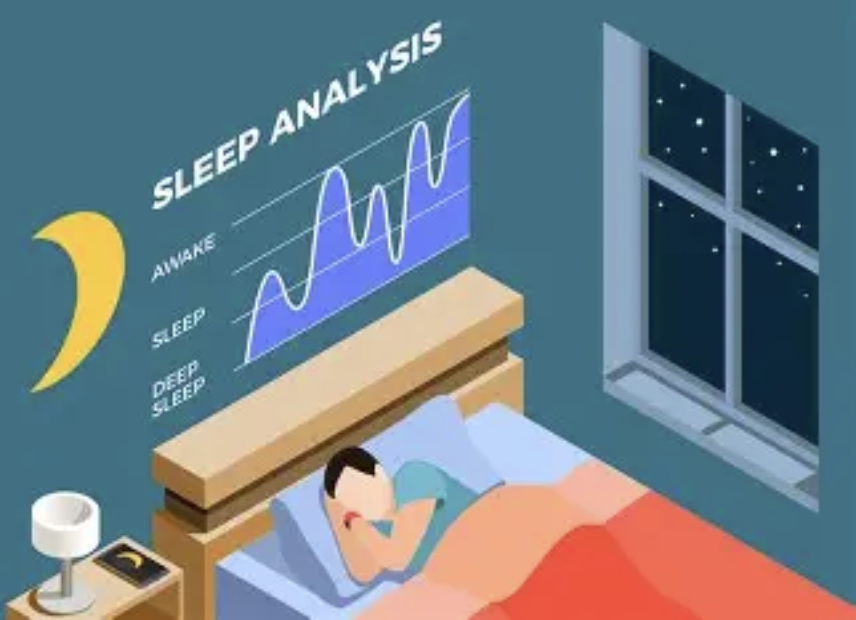
Standard sleep trackers merely record total hours of sleep, yet top-tier data tools interpret individual sleep patterns on a biological level. Sophisticated wearables connect with biometric indicators—such as heart rate variability, cortisol levels, and brainwave activity—to uncover personal sleep influencers. For instance, a wealth manager might discover that late-night screen time disrupts their deep sleep, alongside the effects of caffeine, leading to specific adjustments that enhance cognitive performance during crucial meetings.
Energy Prediction, Not Merely Sleep Analysis
The real advantage of sleep data is its ability to forecast energy spikes, going beyond merely studying previous sleep habits. Intelligent platforms combine sleep patterns with daily agendas, projecting optimal times for focus, creativity, or endurance. A CEO of a luxury brand can strategically time critical discussions with their anticipated energy peaks, utilizing sleep insights to gain an advantage over basic productivity methods.
Comprehensive Wellness Integration Through Sleep Data
Sleep information serves as a portal to holistic health for discerning individuals. It links to dietary protocols, exercise routines, and mental health strategies, showcasing how late meals or vigorous workouts can negatively affect sleep quality. An entrepreneur focused on wellness could leverage sleep insights to enhance their IV therapy and meditation practices, creating a self-reinforcing health cycle that preserves their vitality.
Heritage Health Preservation for Future Resilience
Affluent individuals utilize sleep data to create lasting health legacies for future generations. Secure digital repositories monitor sleep trends alongside genetic factors and lifestyle preferences, providing valuable information for family health initiatives. This data serves as a guide for descendants to evade inherited sleep complications, transforming immediate sleep improvement into a valuable health resource over time.
High-end sleep technology functions effortlessly, eliminating the hassle of manual monitoring. Smart mattresses that modify their firmness during sleep, lighting adjusted to align with circadian cycles, and AI systems that modify routines based on sleep assessments—all become integrated aspects of everyday life without causing interruptions. This seamless integration attracts those who appreciate sophistication, making data-informed sleep an accessible luxury.
Social Responsibility in Elite Communities
Data-informed sleep practices have evolved into a subtle symbol of status among high achievers. Exclusive health networks exchange anonymized sleep data, promoting friendly accountability and strategies for optimization. A venture capitalist could acquire privileged insights on sleep enhancement from colleagues, transforming sleep information into a valuable networking asset that fortifies professional relationships.

This transformation is not centered on obsessively tracking sleep statistics—it aims to utilize data for energy management. For individuals with discerning tastes, sleep information represents the crucial connection between rest and achievement, converting a fundamental requirement into a personalized instrument for sustained high performance and enduring vitality.
(Writer:Lany)
Related Articles