The Invisible Bond: Why We Can’t Live Without Phones
advertisement
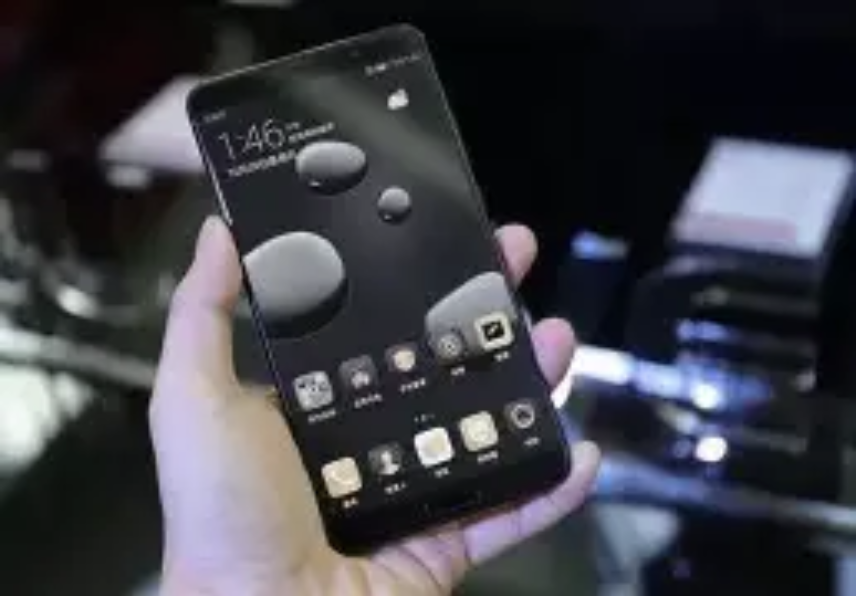
Smartphones are frequently regarded merely as tools for communication; however, for today's discerning users—individuals who prioritize efficiency, connectivity, and a seamless lifestyle—they have transformed into indispensable extensions of themselves. The influence of mobile devices in contemporary society goes beyond mere habit or distraction; it is embedded in how technology has integrated these gadgets into our essential routines, from managing finances to ensuring personal safety, resulting in a dependence that feels more like a necessity than a choice.
Phones as Customized Digital Control Centers
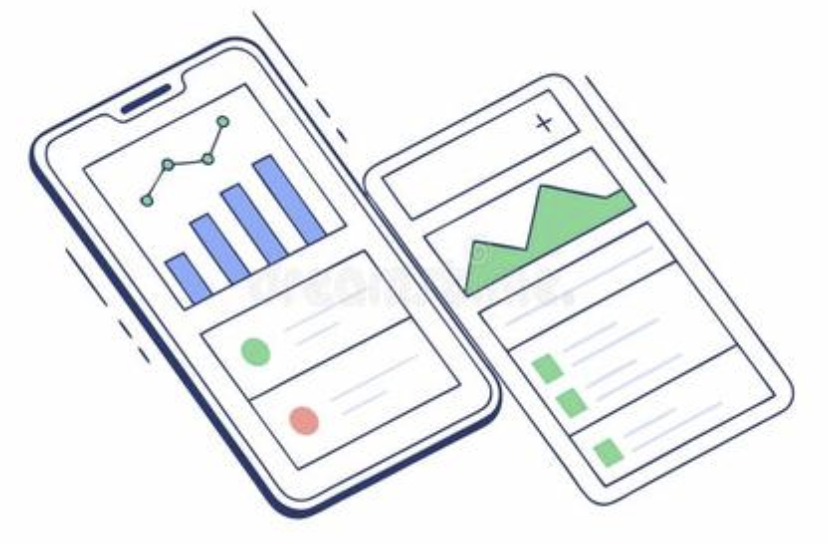
For affluent individuals, smartphones serve more than just a means of calling—they act as centralized control systems for overseeing luxurious lifestyles. By allowing users to adjust smart home functionalities and track investment portfolios in real-time, these devices provide immediate control at one’s fingertips, eliminating the necessity for multiple tools and simplifying high-stakes, time-sensitive decisions.
Incorporated with advanced security measures and specialized cloud services, these personalized mobile centers also handle private transportation plans, top-tier entertainment setups, and the scheduling of personal personnel. Each feature is specifically designed to enhance effectiveness and safeguard confidentiality, transforming an average smartphone into an essential control center that fully adjusts to the individual’s unique needs and daily activities.
Biometric Integration Merges Device With Identity
Contemporary smartphones incorporate sophisticated biometric technologies—such as fingerprint recognition, facial ID, and voice verification—which intertwine the device with the user's identity. This smooth amalgamation positions phones as the gatekeepers to sensitive information, ranging from secure communications to exclusive membership access, making disconnection feel both unwise and impractical.

Contextual AI Tailors to Individual Habits
In contrast to standard technological devices, smartphones utilize contextual AI to comprehend user behaviors—predicting travel plans, prioritizing significant communications, and even recommending tailored services. For busy, affluent individuals, this responsiveness transforms phones into proactive assistants, rather than merely reactive tools, thereby conserving time and alleviating decision fatigue.
Hyper-Connectivity to Exclusive Communities
Smartphones afford instantaneous connectivity to exclusive circles, private networks, and elite services that characterize high-end lifestyles—from members-only gatherings to personalized concierge assistance. Missing this connection could imply forgoing valuable opportunities, rendering smartphones critical links to essential social and professional spheres.Affluent individuals frequently rely on their phones to curate and secure their digital legacies—storing invaluable photos, private conversations, and family moments. Unlike conventional storage methods, smartphones present secure, portable access to these prized possessions, making them crucial for preserving both personal and familial histories.
Emergency Readiness Beyond Basic Protection
For discerning users, smartphones are vital for readiness in emergencies—from receiving real-time security notifications for homes and assets to immediate access to private healthcare services and emergency contacts. This heightened state of preparedness positions phones as essential lifelines, rather than mere convenience devices, intensifying reliance.

Our dependence on smartphones should not be viewed as an excessive reliance on technology, but as evidence of how these gadgets have been designed to meet our most urgent needs—especially for those who seek efficiency, security, and connection. They have evolved past mere gadgets; they are now crucial partners in maneuvering through a complicated, fast-moving world.
(Writer:Galli)
Related Articles