Why Startups Fail Between Tech and Market
advertisement
Innovation frequently commences with an exceptional technical concept, yet for many technology startups, the disparity between a revolutionary product and a workable market can be disastrous. For individuals who invest in or interact with new technology, grasping this gap is essential for identifying potential—while steering clear of disillusionment. This divide is not solely about ineffective execution; it’s a misalignment between what technology is capable of and what the market truly requires, a hindrance even the most driven startups find difficult to overcome.

Tech Focus at the Expense of User Needs
Numerous startups become fixated on enhancing their technology, emphasizing features instead of addressing genuine user challenges. They create sophisticated tools with advanced features, but neglect to inquire whether anyone is willing to spend money to resolve the existing problem—resulting in a solution looking for an issue, rather than the opposite.This incorrect emphasis frequently results in squandered resources and lost chances in the market. Even the most advanced technology struggles to make an impact when it does not resonate with users’ issues or provide real benefits, causing innovative offerings to fail in attracting enduring customers or reaching lasting business success.
Misjudging Value Recognition
Technology teams frequently miscalculate the readiness of the market to welcome new solutions. A groundbreaking tool might address a specific issue; however, if users do not recognize its value as justifying the price or the effort to learn it, acceptance halts—leading startups to end up with a product that lacks user interest, even if it possesses technical excellence.

Neglecting User-Driven Tech Development
Successful technology relies on iteration, yet many startups consider market input as something secondary. They immerse themselves in development phases, honing technology without engaging real users for feedback, resulting in a final offering that doesn't aligned with market needs upon release.
Misjudging Integration Challenges
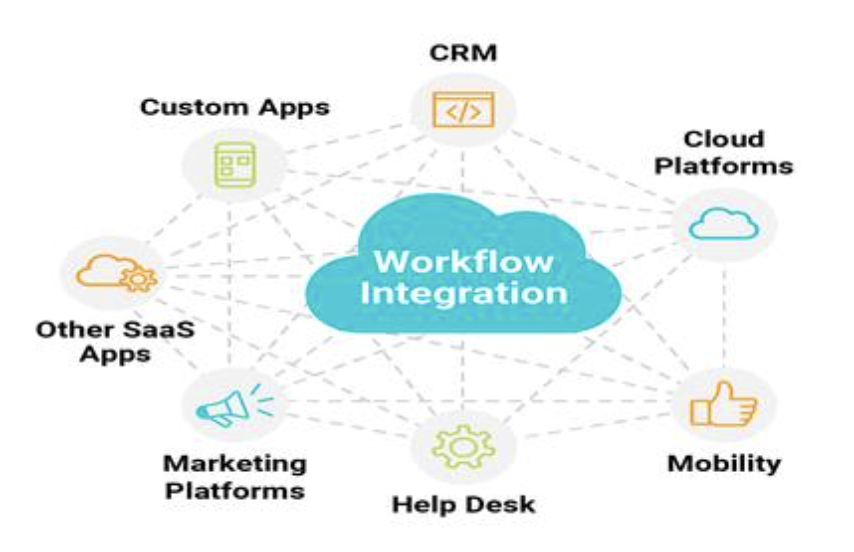
Remarkable technology can still falter if it fails to mesh with existing user workflows. Startups frequently overlook how their offerings integrate into the tools and practices people already employ, compelling users to change their established routines—a hurdle too steep for most to navigate, regardless of how technically proficient the solution is.
Technological innovation does not inherently guarantee market readiness. A startup might possess an innovative technology that could secure a patent, but without a clear strategy for monetization, scalable marketing, or sustained user interaction, it will deplete its resources before it can connect technology with market opportunities.
Ignoring Specific Market Distinctions
A significant number of tech startups aim for broad markets, overlooking the intricate requirements of particular segments—such as affluent users who expect bespoke, smooth experiences. A uniform technical approach fails to connect with discerning customers, leading to the startup's demise in visibility.
The gap between technology and the market is not impossible to bridge, but it necessitates that startups strike a balance between innovation and understanding user requirements. For investors and tech aficionados, acknowledging this gap is vital—because even the most technically advanced product holds no significance if it cannot find its rightful position in the market.
(Writer:Laurro)
Related Articles