The Internet Remembers—Always
advertisement
The web serves more than merely as an instrument; it acts as an endless archive, meticulously recording every click, preference, and interaction. For audiences with high engagement, this "flawless recollection" raises issues beyond privacy—it presents a dual risk that can either enhance experiences or reveal weaknesses, influencing the way they manage their online existence.
From generic services, the internet's memory transforms into customized luxury. Top-tier retailers use past buying behavior to foresee wants, delivering a notification when a preferred designer perfume is about to release a limited edition, or assembling a wardrobe update grounded in years of style preferences. Exclusive financial institutions utilize transaction histories to recommend personalized investment prospects, while high-end travel platforms recall preferences for suites and dietary needs, guaranteeing each journey feels like a return to a known, pleasurable environment.
Digital Legacy Protection
Affluent individuals are investing in "memory management" to safeguard their online presence. Advanced privacy tools let them decide what the internet retains, which includes automatically deleting old social media content, encoding confidential financial details, and even eliminating outdated news mentions. Some services supply "digital estate planning," ensuring personal recollections, like family pictures or private videos, are preserved for family members while limiting access to unwanted details, changing the internet’s memory into a secured legacy.

Memory-Based Cultural Engagement
The internet's memory cultivates more profound cultural involvement. Art collectors utilize platforms that remember their interests, notifying them of future auctions featuring artists they've valued in the past. Wine aficionados depend on applications that record every bottle they've tasted, suggesting new vintages that match years of flavor profiles. It's a digital repository that enriches interests, shifting casual interest into lifelong, meticulously chosen exploration.
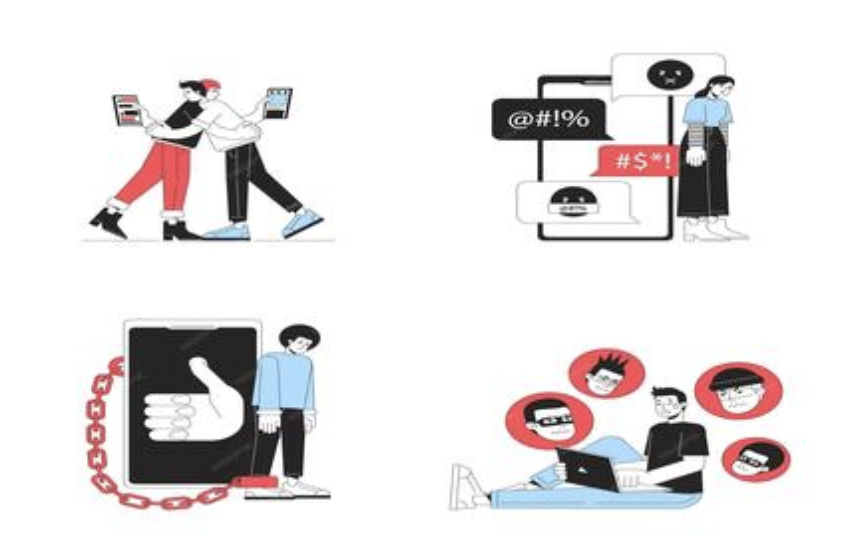
Not all internet memories are beneficial. Old, regrettable posts or outdated details can persist, affecting personal and professional reputations. Wealthy individuals face unique dangers, such as past charitable giving being misinterpreted, or private event images being shared without approval. This has fueled demand for "reputation management" services that track and clarify online recollections, ensuring the internet's record portrays the current situation, not a bygone era.
Memory as Experience Design
Luxury brands employ the internet's memory to construct immersive experiences. A premier hotel might display photos from your previous stay to decorate your room with familiar items, while a fine-dining establishment remembers your favorite dish and presents it as a surprise on your anniversary. Even virtual experiences, like VR art galleries, utilize past interactions to direct you towards pieces you'll love, making every digital moment feel personal and planned.
Creating Deliberate Digital Memories
The elite are advancing beyond passive memory storage to active curation. They use AI tools to manage digital memories, labeling family trips with contextual facts, or storing business milestones in searchable, protected databases. Some even create "digital scrapbooks" that integrate social media updates, pictures, and personal notes, turning the internet's chaotic memory into a logical, meaningful tale of their lives.
The internet's perfect memory is unavoidable, but its impact depends on decisions. For high-spending customers, it's not about avoiding the internet's memory, but rather dominating it: harnessing its recall to enhance luxury, protecting it to preserve privacy, and curating it to share their story as they choose. In a world that never forgets, the ability rests in deciding what is essential to remember.
(Writer:Tommy)
Related Articles