Spatial Computing: Will It Replace Touchscreens?
advertisement
Hands-Free Luxury Interface Redefinition
Spatial computing surpasses the limitations of touchscreens by enabling interaction that is hands-free and aware of context. High-end extended reality glasses equipped with spatial-sensing technology allow wealthy users to manage virtual controls during activities—such as altering the entertainment system on a private jet while holding a glass of champagne or revising a luxury property plan without needing to touch a screen. This fluid experience removes the restrictions of tactile engagement, resonating with the luxury ideal of effortless elegance.
Spatial Semantic Understanding Beyond Flat Surfaces
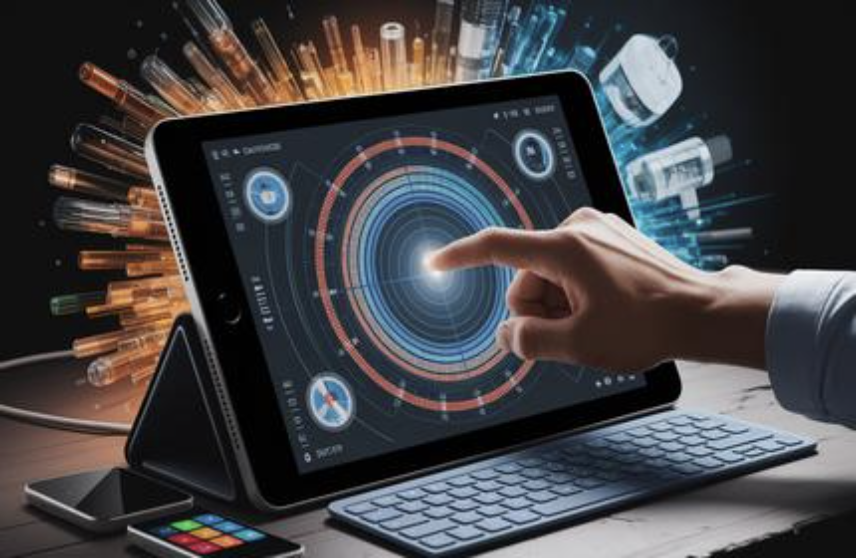
In contrast to touchscreens limited to two-dimensional surfaces, spatial computing understands environmental context and user intent. Systems empowered by artificial intelligence map real-world spaces instantaneously, allowing users to "grasp" virtual components that adjust according to their environment—such as modifying the dimensions of a high-fashion design sketch to fit a mannequin's size. For sophisticated creators and collectors, this three-dimensional awareness exceeds the capabilities of conventional touch interactions, enabling new avenues for creativity.
Touchscreens struggle in scenarios involving moisture, gloves, or high activity, while spatial computing excels in these conditions. Waterproof spatial-sensing devices enable yacht owners to manage onboard features while swimming, and cold-resistant technology allows skiers to modify smart apparel without needing to remove their gloves. This adaptability meets the varied lifestyles of wealthy individuals, where traditional touchscreens can present significant obstacles.
Personalized Spatial Profiles for Elite Experiences
Spatial computing develops individualized user profiles that consider movement specifics and spatial inclinations, going well beyond the simplistic user accounts of touchscreens. It recalls a collector’s favorite viewing position for virtual art displays or a chef’s specific gestures for operating smart kitchen tools, facilitating personalized interactions that grow with use. This level of customization is much deeper than the standard input methods of touch.

Cross-Device Spatial Ecosystem Sync
While touchscreens necessitate distinct interactions for each device, spatial computing harmonizes luxury systems. A gesture made to pause content in a home theater seamlessly translates to the infotainment system in a luxury vehicle, with virtual controls remaining consistent across various environments. This continuity across different scenarios alleviates the hassle of switching screens, addressing a major challenge for affluent users managing multiple high-end devices.
Hygienic Precision for Premium Wellness Spaces
In luxury spas and elite clinics, spatial computing eliminates the need for touchscreens to uphold cleanliness standards. Users can modify massage settings or medical monitors through air gestures, which prevents contact with common surfaces. This touch-free accuracy merges health awareness with advanced technology, a vital consideration for those discerning individuals who prioritize high-end wellness.
Immersive Luxury Retail Beyond Touch Interaction
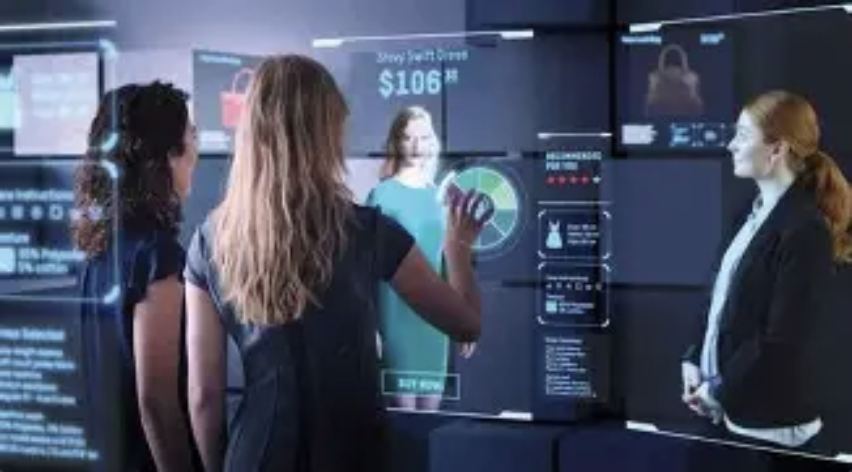
Spatial computing revolutionizes upscale retail by allowing customers to "experience" virtual jewelry or furniture within their personal spaces—without any need for touchscreen swiping. It superimposes product information onto real-world settings, like displaying how a watch matches a wardrobe, crafting immersive experiences that traditional touchscreens cannot provide. This deepens the connection for luxury shoppers seeking emotional ties with their purchases.
Spatial computing does not merely compete with touchscreens; it transforms interaction dynamics for the affluent. By integrating context, flexibility, and sophistication, it is set to take the place of touchscreens as the primary interface for luxury living, converting every environment into a personalized, intuitive control center.
(Writer:Lily)
Related Articles