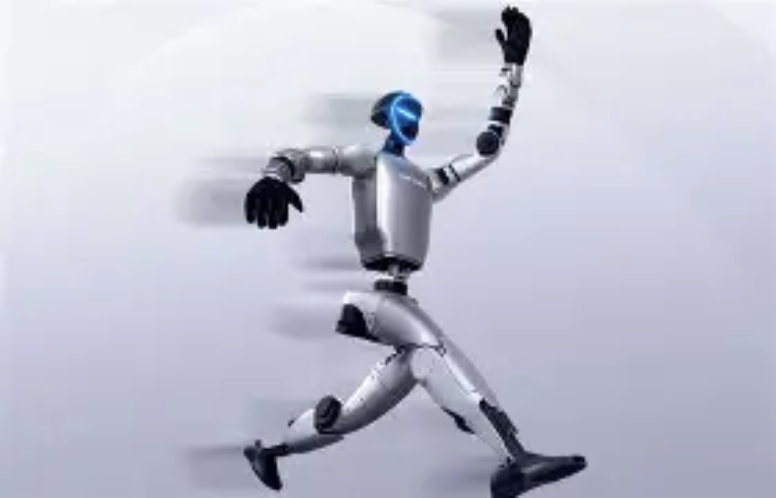
Why Humanoid Robots Are Suddenly Booming
advertisement
Humanoid robots, which were previously limited to science fiction and research facilities, have gained significant mainstream interest—not by chance, but as a result of a confluence of practical advancements and evolving consumer demands. For wealthy individuals, their emergence signifies not just a technological trend; it offers insight into a future where machines not only provide help but also blend effortlessly into everyday life as skilled and relatable companions. This rapid growth originates from remedies to persistent shortcomings and compatibility with contemporary lifestyles.
Demographic Changes Fuel Practical Necessities
The increasing number of elderly individuals and busy professionals is driving the need for these robots. Wealthy households are utilizing humanoid robots such as Agility Robotics' Digit as "care companions"—reminding older relatives to take their medications, assisting them with mobility, or simply offering companionship. In households with dual incomes, these robots take care of time-consuming tasks (like restocking groceries and managing pet care) without the scheduling issues that come with human assistance. They provide support around the clock, bridging the gaps left by traditional services, with discretion.
Improvements in materials and manufacturing processes have made them accessible to high-end consumers. Companies such as Figure Robotics employ modular elements and 3D printing to decrease expenses by 40% compared to ten years ago. Although they remain costly, their pricing is now comparable to other luxury home investments (like advanced smart technologies), appealing to buyers who prioritize convenience over expense. This scalability has transformed “someday” into “now” for wealthy early adopters.
Emotional Design Surpassing Mechanical Functionality
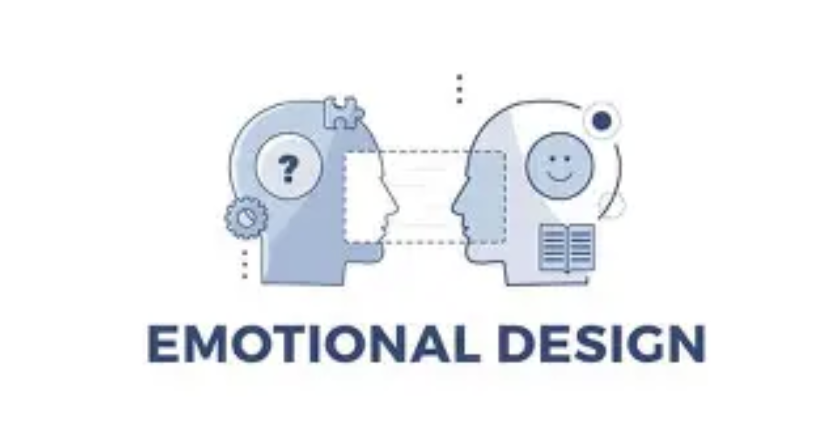
Contemporary humanoid robots emphasize emotional connection. Devices like Sony's Afeela come equipped with expressive faces featuring micro-LED eyes and intuitive gesture systems, rendering interactions less mechanical and more akin to those between humans. They can interpret facial expressions to adjust their tone—providing motivation during exercise or offering calmness during stressful times. For affluent customers seeking tailored experiences, this emotional intelligence transforms robots into more than mere tools; they integrate into family life.
Integrative Ecosystem with Smart Homes
These robots now connect seamlessly with existing high-end technological ecosystems. A humanoid robot can utilize a home’s smart calendar to foresee when to set up a home office, collaborate with a smart refrigerator to propose meal preparation, or even adjust lighting and climate preferences based on user desires. This fluid integration removes friction, enabling the robot to function as a central point that enhances rather than disrupts established smart home activities.
Exclusive experiences are being embraced by high-end sectors. Luxury hotels implement humanoid concierges to welcome guests with customized suggestions, while upscale fashion labels deploy them as in-store advisors who recall client preferences. Even owners of private yachts utilize compact humanoids for various on-board responsibilities, ranging from serving beverages to maintaining equipment. These specialized applications position humanoids as status symbols that merge innovation with luxury.
The Growth Is About Significance, Not Hype
Humanoid robots are experiencing a surge not because they are novel—they are thriving because they have become genuinely beneficial. For affluent consumers, they symbolize the next phase in mindful living: technology that molds itself to human needs, improves quality of life, and adds substance rather than distraction. This is not a fleeting trend; it marks the beginning of an era in which humanoid robots become as essential to affluent living as smart homes or electric vehicles.
(Writer:Frid)
Related Articles