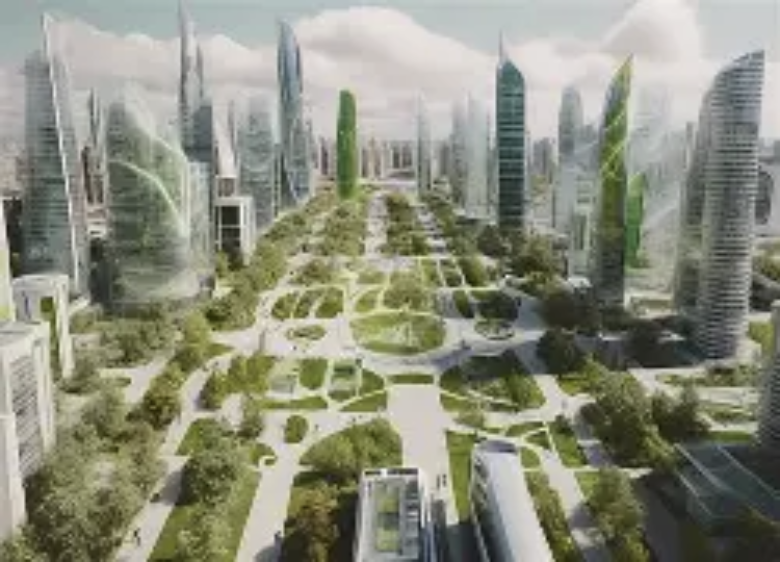
Cities Are Becoming Smart Organisms
advertisement
Anticipate Private Travel Needs
Intelligent urban areas now function as "personalized travel aides" for wealthy individuals. Within the central business area of Singapore, sensors can sense the approach of a private vehicle towards an upscale hotel, prompting the establishment's valet to ready a parking space, modifying the lobby’s temperature to suit the guest's liking, and alerting the concierge of their impending arrival. For passengers of private aircraft, Hong Kong’s advanced airport coordinates flight arrival schedules with high-end limousine services, providing effortless transportation to the downtown area without delays. This foresight transforms traveling from a collection of chores into a streamlined, customized experience.
High-end retail areas in advanced urban centers cater to personal tastes. In Tokyo's Ginza district, digital displays in shops identify frequent luxury buyers through their smartphones' Bluetooth (with permission) and showcase products aligned with their previous purchases—such as a fresh watch collection for someone who acquired a high-end watch recently. Within the stores, intelligent fitting rooms recommend matching accessories based on the clothing being worn, and they can even place items that appeal to the shopper on hold to prevent them from selling out. This degree of personalization creates an experience that feels uniquely designed for each customer.
Protect Premium Dwellings
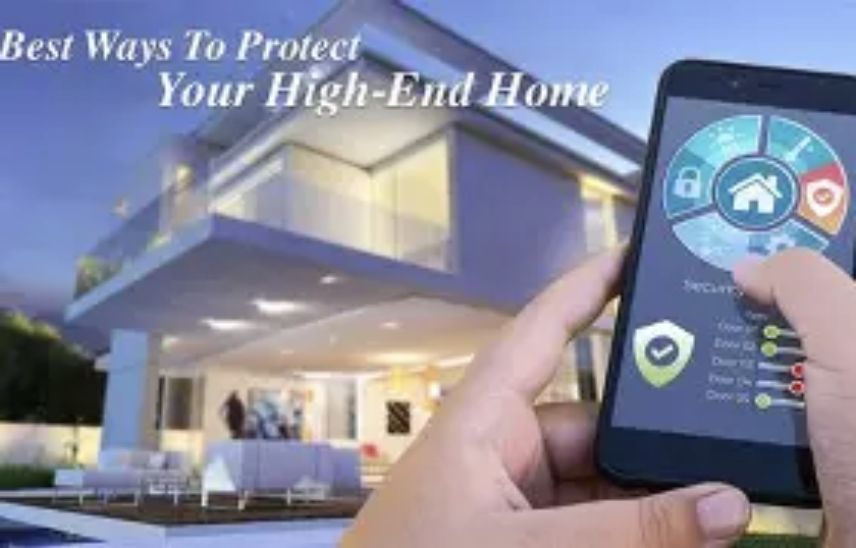
Smart city security frameworks safeguard upscale residences like a “virtual protector.” In Dubai’s Palm Jumeirah, sensors on the streets and AI monitoring devices identify atypical movements near luxury homes—immediately notifying private security personnel and the homeowner’s smart device. The system can differentiate between a delivery agent and a possible intruder, minimizing false alarms. For those owning several properties, this city-wide security network integrates with the villa’s internal smart solutions, ensuring safety even when the homeowner is away.
Smart cities streamline the process of accessing elite wellness services. In Zurich, a luxury spa's reservation system interfaces with the city's health information platform (with user approval). If a resident's smartwatch identifies elevated stress levels, the platform recommends last-minute spa bookings that align with their availability and even reserves a secluded treatment area. The city's traffic management system also prioritizes the individual's journey to the spa, ensuring prompt arrival. This seamless integration transforms proactive health care from a luxury into a straightforward part of everyday living.
Tailor Unique Cultural Opportunities
Smart cities customize cultural happenings to suit the preferences of wealthy residents. In Paris, a city-wide cultural application gathers insights about a user's choices—such as an interest in impressionist painting or classical performances—and informs them about exclusive museum shows or private concerts in historic locations. The application can also organize VIP access, like an after-hours guided tour of the Louvre with a curator, and synchronize the event with the user’s schedule and transportation. This level of customization ensures that residents never overlook exceptional cultural experiences that resonate with their interests.

Control Luxury Property Energy Efficiency
Smart cities assist owners of high-end properties in maximizing energy efficiency. In Los Angeles, upscale homes are linked to the municipal smart grid, which modulates the property's energy consumption according to current supply and demand levels. For instance, when solar energy generation is at its peak, the grid gives preference to powering the estate’s swimming pool heater or the cooling system for the wine cellar, lessening dependence on fossil fuels. The system also notifies homeowners about possible energy wastage, like a lamp left on in a guest house, aiding in cost savings while supporting sustainability.
(Writer:Ganny)
Related Articles