Consumer Tech Spurs New "Useless Anxiety"
advertisement
Consumer technology is frequently promoted as a remedy for life’s challenges, yet it subtly creates a unique form of anxiety—one that is not connected to actual needs but is stimulated by unnecessary functionalities, constant updates, and the fear of being left behind. For individuals who can afford every latest device, this feeling intensifies: the stress of possessing, mastering, and keeping pace with technology that offers minimal genuine benefit, yet seems impossible to overlook.

Redundant Features as Anxiety Triggers
Contemporary consumer gadgets are saturated with specialized functions that users seldom utilize. A high-end smartphone boasting 20 camera settings, a smartwatch capable of monitoring multiple health indicators, or a home assistant that recognizes insignificant voice commands—these characteristics induce anxiety due to their infrequent use, not their practicality. Affluent users dread wasting their investment by ignoring these features, transforming a helpful device into a source of regret.
Technology companies exploit gradual updates to make devices seem “outdated” ahead of time. A top-of-the-line laptop that is still functioning perfectly becomes a source of stress when a new version introduces a minor port or a slight design change. For selective consumers, the desire to remain “up-to-date” takes precedence over practicality, necessitating the regular replacement of gadgets that are still operationally effective.
Illusory Productivity Hype
Productivity tools claim to enhance efficiency but frequently lead to anxiety over unmet expectations. AI-powered note-taking applications, intelligent calendars, and productivity management software are marketed as means to achieve mastery, yet leave users feeling insufficient for not making the most of every moment. Individuals who place great importance on performance are particularly affected—concerned they are misusing productivity potential by failing to utilize every available feature.

Digital Clutter and Mental Overload
Consumer technology inundates lives with digital distractions that foster low-level anxiety. Alerts from interconnected devices, unused technology service subscriptions, and the obligation to manage digital environments—all these pressures deplete mental energy without meaningful benefit. For those accustomed to having control, the disarray of unmanaged technology creates a sense of disorder that seems inconsistent with their usual lifestyle.
Technology has evolved into a subtle form of social currency among even the most exclusive groups. Possessing the newest wearable gadget or intelligent home system transcends mere functionality—it is a way to showcase status. This situation breeds anxiety about being “out of sync” with peers, compelling affluent users to acquire technology they do not require, simply to avoid feeling alienated from a limited, gadget-centric dialogue.
False Security of “Smart” Features
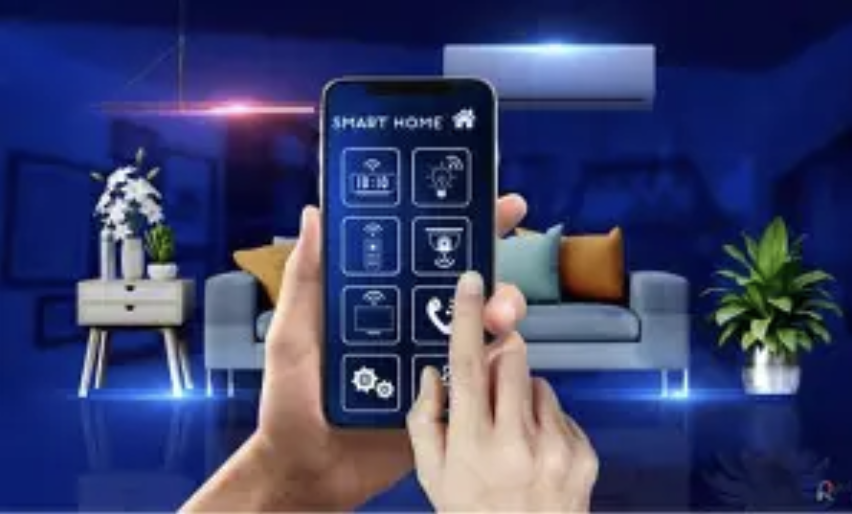
Numerous “smart” technology features offer a false sense of security, triggering anxiety when they fail to perform as expected. A malfunctioning smart lock, a security camera with delays, or a health monitor yielding inaccurate results—these issues erode trust, yet users feel the need to depend on them. The unease arises not from genuine threats, but from the disparity between marketing claims and actual effectiveness.

This unproductive anxiety flourishes because consumer technology appeals to desires rather than necessities. For those who have the ability to indulge, the answer is not acquiring additional gadgets—it is in regaining autonomy: adopting technology that supports rather than dominates, and rejecting the notion that an abundance of features equates to a superior life. Real freedom is found in looking past the excitement to what genuinely enhances value.
(Writer:Haicy)
Related Articles