Agriculture: The New High-Tech Industry
advertisement
Biometric Crop Monitoring Systems
Modern farming goes beyond traditional soil and sunlight methods, utilizing biometric sensors to monitor plant health at a microscopic level. These advanced instruments evaluate chlorophyll levels, nutrient uptake, and stress reactions, warning farmers about slight shifts before they become visible. For selective consumers in search of high-quality produce, this technology guarantees uniform excellence—from heirloom tomatoes to exotic herbs—ensuring every harvest satisfies strict flavor and nutritional criteria.
Gene Editing for Exclusive Tastes
The advancements in CRISPR and precise gene-editing technologies transform crop development, concentrating on enhancing gourmet qualities instead of merely increasing yield. Researchers adjust the balance of sugar and acid in wine grapes or enhance the savory taste in specialty mushrooms, creating flavors tailored for sophisticated tastes. This development allows premium food brands to provide unique, exceptional ingredients, enriching culinary experiences beyond what conventional farming can provide.

Vertical Farming with AI Climate Control
Cutting-edge vertical farms employ artificial intelligence to mimic the microclimates of tropical regions, cultivating exotic foods within city environments. From Japanese matcha to Peruvian quinoa, these regulated settings modify light wavelengths, humidity, and air circulation in real time, ensuring that crops maintain their original characteristics. Wealthy consumers have year-round access to exclusive, pesticide-free food with minimal environmental consequences due to transportation.
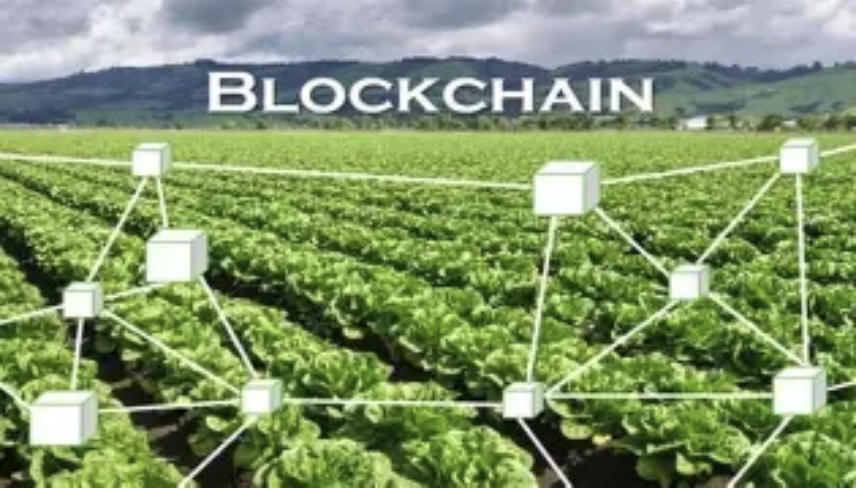
Blockchain Traceability for Traditional Crops
Blockchain technology establishes an unbreakable link for traditional and artisanal crops, connecting every harvest to its source, growing methods, and even the expertise of the farmer. Luxury purchasers can scan a QR code to track a batch of single-estate olive oil from the orchard to the bottle, confirming organic certifications and traditional farming practices. This level of transparency enhances authenticity, a crucial aspect for affluent consumers investing in high-quality food.
Biostimulant Technology for Enhanced Nutrient Content
Cutting-edge biostimulants—sourced from marine algae and helpful microbes—enhance the nutrient content of crops without artificial additives. These innovations increase levels of antioxidants, vitamins, and minerals in fruits and vegetables, transforming everyday produce into functional, nutrient-dense delicacies. For health-conscious wealthy consumers, this technology aligns with the goals of overall wellness through gourmet nutrition.
Specialized machines with advanced imaging systems and gentle grips harvest delicate crops with remarkable accuracy. From tender berries to soft leafy greens, these devices minimize bruising and damage, retaining quality and prolonging freshness. Luxury retailers benefit from consistently perfect, fresh produce, while buyers enjoy the optimal taste and texture of handpicked items—eliminating the restrictions associated with manual harvesting.
Regenerative Technologies for Sustainable Luxury
Advanced regenerative agriculture combines AI-driven soil evaluation with organic methods to rejuvenate ecosystems while cultivating high-end crops. Sensors track soil biodiversity, and AI fine-tunes crop rotation and compost utilization, creating a self-sustaining ecosystem. This innovation appeals to affluent consumers who value sustainability without sacrificing luxury, making every meal a responsible treat.

The technological evolution in agriculture transforms luxury food systems. For discerning consumers, it is no longer solely about the origins of food—but rather the innovative breakthroughs that guarantee every bite is extraordinary, sustainable, and one-of-a-kind.
(Writer:Galli)
Related Articles