More Information, More Ignorance: The Tech Paradox
advertisement
We inhabit a time characterized by unparalleled access to information—where a simple touch can reveal limitless facts, insights, and viewpoints. However, this overwhelming volume of data presents a contradiction: the more we absorb, the more misinformed we frequently find ourselves. For those who have learned to use knowledge as a strategic asset, this inconsistency is particularly unsettling. Rather than fulfilling its promise of making knowledge accessible to all, technology has inundated us with subpar, unchecked information, diminishing our capacity to discern truth, retain meaningful details, and make educated choices. Beyond the well-known challenge of “information overload,” less obvious technology-driven transformations are deepening this lack of awareness—affecting how wealthy individuals view reality and manage their lives.
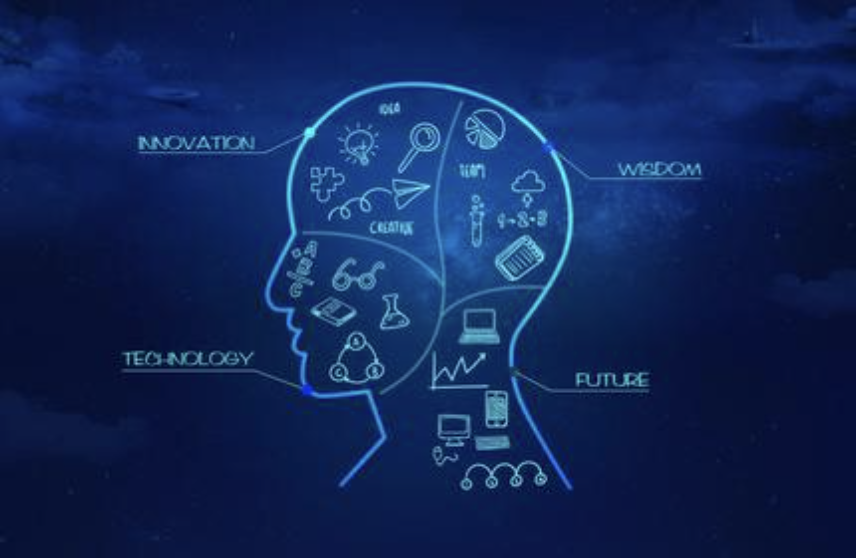
Technological algorithms, created to maintain our engagement, filter information that matches our pre-existing beliefs. For individuals who are thoughtful, this produces unseen filter bubbles that strengthen biases and reduce exposure to differing opinions. Instead of broadening our understanding, we find ourselves caught within a limited echo chamber—unaware of alternate viewpoints, even regarding essential issues like wealth management or international developments.
Misinformation Laundered by Tech Platforms
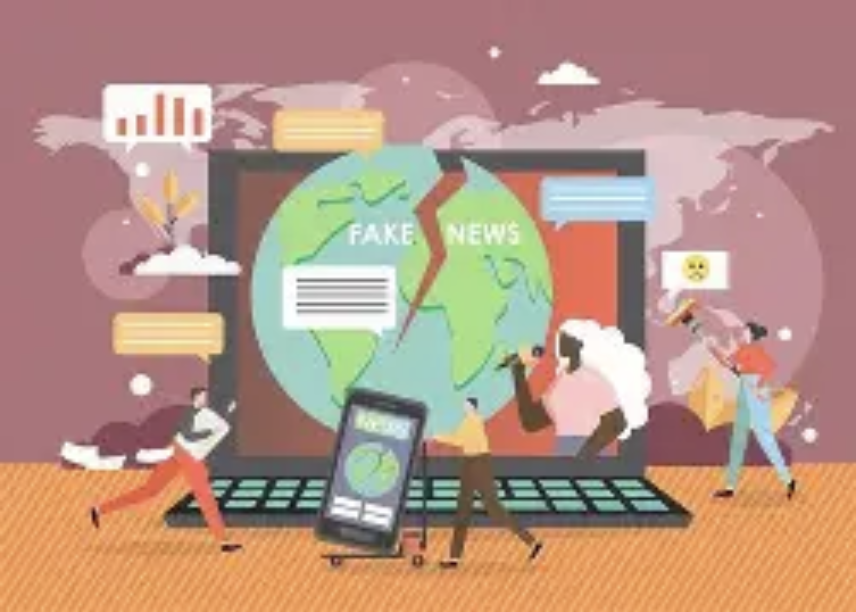
Technology platforms, motivated by user engagement metrics, frequently elevate misinformation presented as reliable information. For those in search of trustworthy insights—from investment guidance to health trends—this process of “information laundering” complicates the task of differentiating between truth and falsehood. Even astute individuals can fall victim to polished, technology-enhanced misinformation, resulting in ill-informed choices that go against their best interests.
Digital Amnesia and Dependency on Tech
Technology has taken over our need to remember—we delegate facts, dates, and even crucial information to search engines and applications. This digital forgetfulness weakens our ability to hold onto knowledge, resulting in ignorance of essential facts that shape sound judgment. For affluent individuals, this reliance means depending on technology to recall important details, rather than nurturing knowledge that can lead to wiser decisions.
Information Overload and Cognitive Fatigue
The incessant stream of information delivered by technology causes cognitive exhaustion, hindering our capacity to analyze, remember, and prioritize information. For busy wealthy individuals, this fatigue results in rushed judgments—overlooking vital details or simplifying complex information in favor of quick, easily digestible summaries. This “overload-induced ignorance” compromises the careful consideration that significant decisions demand.
Loss of Critical Thinking in Tech-Driven Learning
Technology frequently conveys details as “truth” without offering context, which can hinder our ability to question critically. For affluent individuals, this diminishes the practice of validating sources, evaluating biases, and disputing assumptions—essential abilities for preventing ignorance. We often take the information provided by technology at face value, which diminishes our capacity for critical thought regarding what we engage with.
The irony of increased information resulting in greater ignorance does not stem from the technology itself, but rather from our interaction with it. For those who are discerning, the answer is to regain authority: selecting information sources, valuing depth rather than sheer volume, and fostering critical thinking skills. Technology can serve as an instrument for learning—but this is only achievable if we resist its inclination to inundate us with distractions, opting instead to enhance our comprehension. In an era abundant with information, genuine wisdom is found not in consuming more, but in discerning what to disregard.
(Writer:Galli)
Related Articles