The Rise of Digital Work: Beyond Convenience
advertisement
Digital employment has progressed from a need during the pandemic to a lasting option for countless individuals, even as workplaces reopen and daily routines become more regular. This transition isn't simply about remote working or bypassing commutes—rather, for affluent professionals, it reflects a technology-driven evolution in work practices, propelled by advancements that improve autonomy, efficiency, and work-life balance in ways that conventional office environments have never achieved.

AI-Driven Flexibility Customizes Work to Lifestyles
Sophisticated AI scheduling applications empower high-earning workers to organize their work hours around their most productive times, rather than strict office schedules. These applications assess work habits, prioritize activities, and integrate with personal obligations—from family gatherings to fitness routines—transforming digital employment into a tailored experience that aligns with their way of life.
Cloud-Based Collaboration Removes Geographical Constraints
Platforms that operate in the cloud, featuring real-time collaborative editing, secure file distribution, and AI-supported project management, have rendered location unnecessary. Professionals with high incomes frequently collaborate with teams around the globe, and digital work allows for effortless connections—whether sealing a deal from a vacation spot or conducting a meeting from a shared workspace—without compromising on productivity.
Immersive Technology Transforms Online Collaboration
Tools like virtual reality and augmented reality have gone beyond standard video conferencing, establishing immersive digital workplaces where teams engage as though they are physically together. Affluent professionals invest in high-quality headsets and AI-powered virtual meeting applications, which mimic in-person interactions—from interpreting body language to using interactive whiteboards—making online collaboration feel intuitive.
Technology-Driven Productivity Reduces Hidden Office Inefficiencies
Digital employment eradicates the unproductive hassles associated with traditional workspaces: lengthy commutes, pointless meetings, and interruptions from coworkers. AI assistants sift through unrelated messages, automate routine duties, and even streamline workflows, enabling high-earning individuals to concentrate on high-impact tasks that propel their achievements.
Biometric Technology Enhances Digital Work Environments
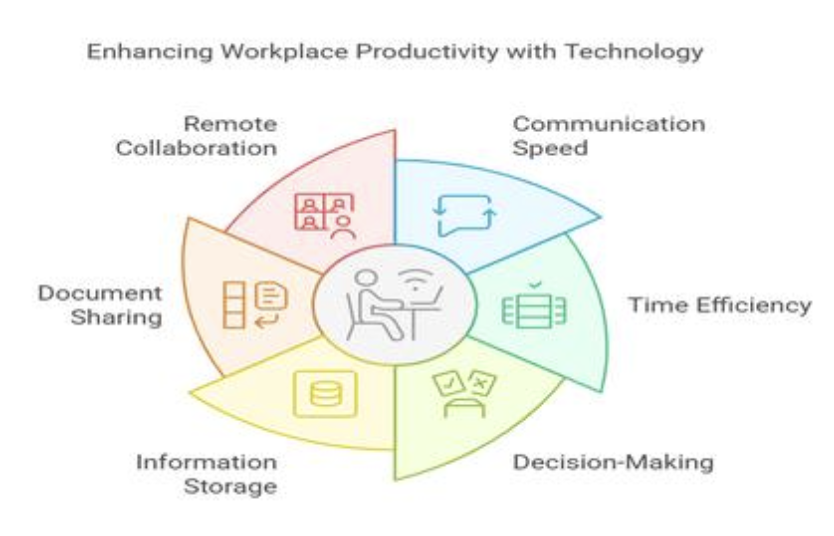
Wearable gadgets and intelligent home technology synchronize to form customized digital workplaces. They modify lighting, climate, and background sounds based on biometric indicators—such as heart rates, concentration levels, and energy surges—ensuring that affluent individuals operate in environments that optimize comfort and efficacy.Tools designed for digital work monitor and evaluate performance metrics—focusing lengths, completion rates for tasks, and energy trends—utilizing AI to provide practical insights. High-earning professionals leverage this information to fine-tune their daily habits, remove inefficiencies, and assure that their digital work hours are as effective as possible.
Cybersecurity Innovations Safeguard Remote Employment
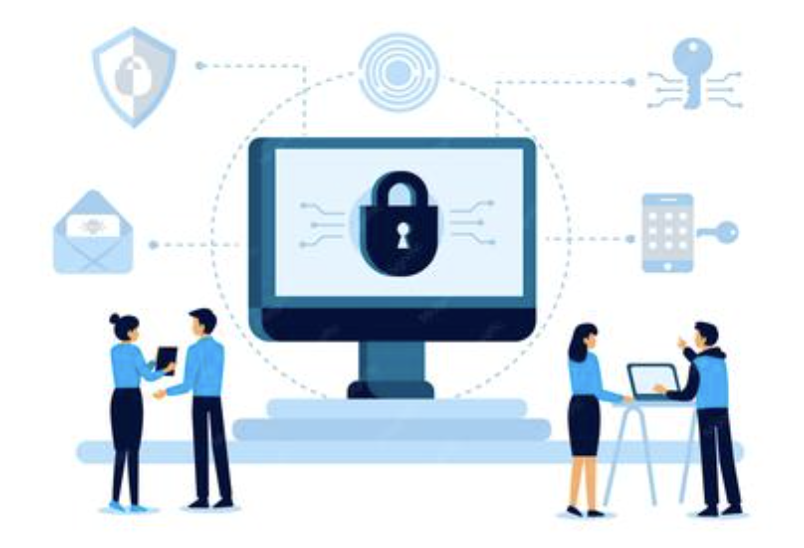
For affluent individuals managing confidential information, advanced cybersecurity solutions—such as end-to-end encryption, AI-enhanced threat detection, and secure virtual private networks—have rendered digital work safer than ever before. This level of security minimizes the risk of data compromises, making remote and hybrid employment a feasible, secure option.
For affluent professionals, digital work has transcended being a mere compromise; it has become a deliberate decision fueled by technological advancements. It provides adaptability, effectiveness, and authority that conventional offices cannot replicate, transforming work into an experience that harmonizes with their principles, lifestyles, and the quest for achievement in a tech-centric environment.
(Writer:Tommy)
Related Articles