Will AI Redefine the Meaning of Creativity?
advertisement
Creativity, once celebrated as a distinctively human characteristic—anchored in feelings, experiences, and instinct—is now experiencing a technological upheaval: artificial intelligence. For those who engage in state-of-the-art advancements and desire unique, high-end experiences, this transformation transcends mere discussions regarding art or concepts; it represents a redefined perspective on creativity, its value, and its role in a technology-focused luxury lifestyle.
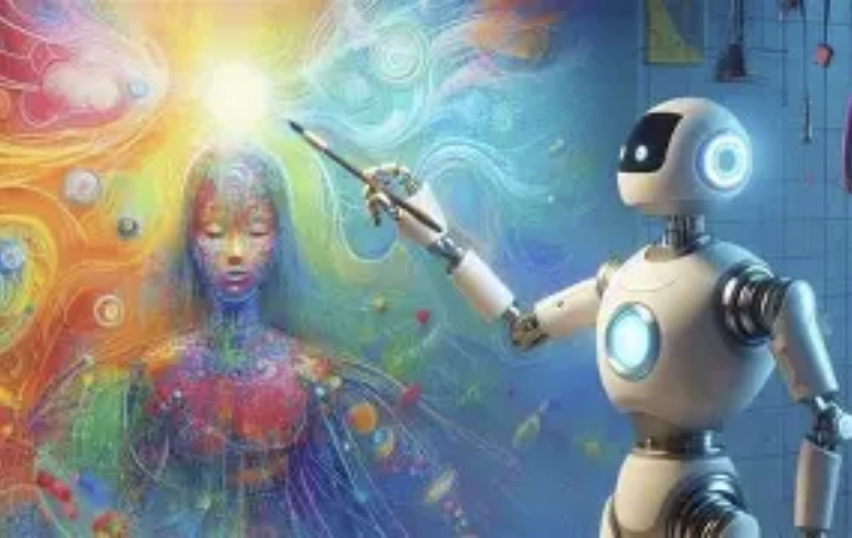
AI as a Partner in the Creative Process, Not as a Substitute
The era when AI was simply a tool for producing standard content is behind us. Modern AI technologies collaborate with humans, converting abstract ideas into concrete results—from bespoke luxury fashion creations to customized art pieces—introducing elements of precision and innovation that purely human creativity may find challenging to replicate.

Redefining the Metric of Creativity: Collaboration Between Humans and AI
Historically, creativity has been evaluated based on its uniqueness, but AI is altering this evaluation. For wealthy individuals, the most significant creative endeavors now intertwine human sentiment with AI’s capability to analyze extensive datasets—resulting in distinct, personalized creations that embody individual preferences while expanding the limits of creativity.
Luxury Brands Innovate Their Creative Processes Using AI
Progressive luxury brands are harnessing AI to transform creative workflows. High-end watch manufacturers employ AI to craft complex mechanisms that merge artistry with utility, whereas luxury car producers collaborate with AI to design tailor-made interiors based on clients' vague ideas, resulting in precise, unique designs.
The Human Advantage in Emotional Creativity
While AI is proficient in recognizing patterns and making iterations, it does not possess the emotional richness that characterizes human creativity. For wealthy consumers, the appeal of human creativity resides in its ability to invoke nostalgia, narrate personal experiences, and embody subtle emotions—qualities that AI struggles to imitate, even with sophisticated algorithms in place.
Human creators imbue their creations with authentic perspectives on life and deep feelings arising from true experiences. These creations that strike a chord emotionally possess a distinct spiritual allure and individualized artistic style. Even the most sophisticated AI can merely imitate stylistic elements but lacks the ability to reproduce real emotional richness, rendering human artistic contributions permanently unmatched and invaluable.
AI Broadens Access to Creativity While Heightening Exclusivity
AI is making creative tools more available, yet it is also enhancing the exclusivity of creativity. Wealthy users benefit from custom AI systems tailored to their individual preferences, allowing them to produce unique content—from tailored music compositions to exclusive luxury home decor—that remains out of reach for the general public.
The Ethics Surrounding Ownership of AI-Generated Creativity
As AI increasingly generates original works, a pivotal question arises: who possesses the creativity? For affluent individuals investing in AI-created art or designs, this discussion affects notions of intellectual property, value, and the true essence of “authorship” in an age dominated by technology.AI does not diminish human creativity; rather, it redefines it. For those positioned at the crossroads of luxury and innovation, the evolution of creativity lies in collaboration, where human insight and AI's abilities converge to produce something vastly more impactful, personal, and exclusive than either could accomplish independently.
(Writer:Ciki)
Related Articles