Middle Class: First to Adopt, Quickest to Regret
advertisement
Smart gadgets frequently attract their initial enthusiastic purchasers from the middle-class segment, which seeks the advantages of improved living conditions and greater efficiency. However, this demographic also faces intense remorse—a contradiction stemming not from the subpar quality of products, but rather from a disconnect among their ambitions, financial limitations, and the concealed truths of “smart” living that are often overlooked by casual advertisements.

Status Symbols vs. Practical Value
For individuals belonging to the middle class, smart gadgets frequently serve as understated indicators of enhanced social status, rather than merely functioning as utility items. A curtain activated by voice commands or a refrigerator equipped with sensors symbolizes “modernity” to their contemporaries, triggering early adoption. However, when these gadgets fail to perform (a curtain that does not respond to commands, a refrigerator that exhibits faulty expiration notifications), feelings of disappointment intermingle with remorse for investing in a status object that proves to be ineffective.
In contrast to affluent individuals who can manage seamless, cohesive systems, those from the middle-class encounter fragmented and expensive ecosystems. A smart lock from one manufacturer may not operate in conjunction with a lighting system from a different brand, necessitating additional adapters or subscriptions. Coupled with the necessity of maintenance—such as replacing malfunctioning sensors or resolving issues reliant on network connections—the ostensibly “affordable” upgrade escalates into a financial strain, fostering remorse concerning unexpected expenditures.
Marketing Hype vs. Daily Reality
Buyers from the middle class are particularly vulnerable to advertisements that depict smart gadgets as “transformative.” Promotional campaigns often neglect the mundane adjustments required (like calibrating motion sensors to avoid lights triggered by pets, or troubleshooting connectivity lags) and the limited scenarios in which these devices can be effectively utilized. What is marketed as “effortless living” can quickly morph into a burden; a robot vacuum that becomes trapped on carpets or a projector ineffective in bright light turns initial excitement into frustration due to the disparity between expectations and reality.
Resource Elasticity Gaps
The middle class lacks the flexibility needed to handle the shortcomings of smart devices. Wealthy users may engage tech specialists to resolve glitches or casually replace underperforming devices, whereas middle-class consumers experience every mistake more acutely. A $500 smart refrigerator that falls short of expectations consumes a considerable portion of their disposable income, and the time spent on troubleshooting detracts from already busy schedules, heightening feelings of regret.
Adaptation Burden on Daily Routines
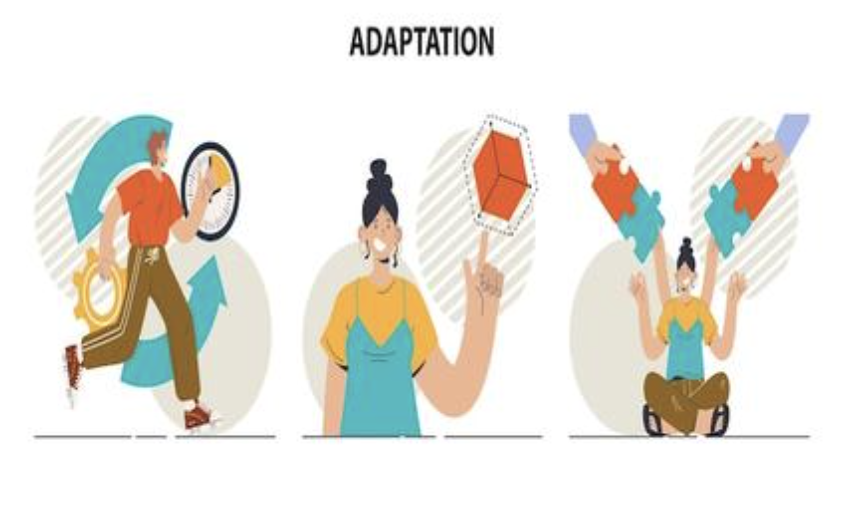
Smart devices require behavioral changes, a cost that the middle class struggles to bear. Unlike affluent users who can adjust technology to fit their lifestyles, middle-class families must balance work, household responsibilities, and caregiving—they do not have the time to navigate complex applications or modify their routines for temperamental devices. A voice assistant that misreads commands or a smart thermostat that necessitates frequent recalibration becomes a hassle rather than a helpful tool.

This sense of regret does not stem from a failure of smart technology, but rather from an incongruence in expectations. The middle class envisions a life of seamless modernity, only to face the chaotic, expensive reality. For those with greater financial means, this discrepancy is mitigated by choice and resources—a clear lesson in understanding how the worth of technology depends on its alignment with one’s genuine ability to utilize and maintain it.
(Writer:Cily)
Related Articles