Chip Wars: Battle for Futurepattern
advertisement
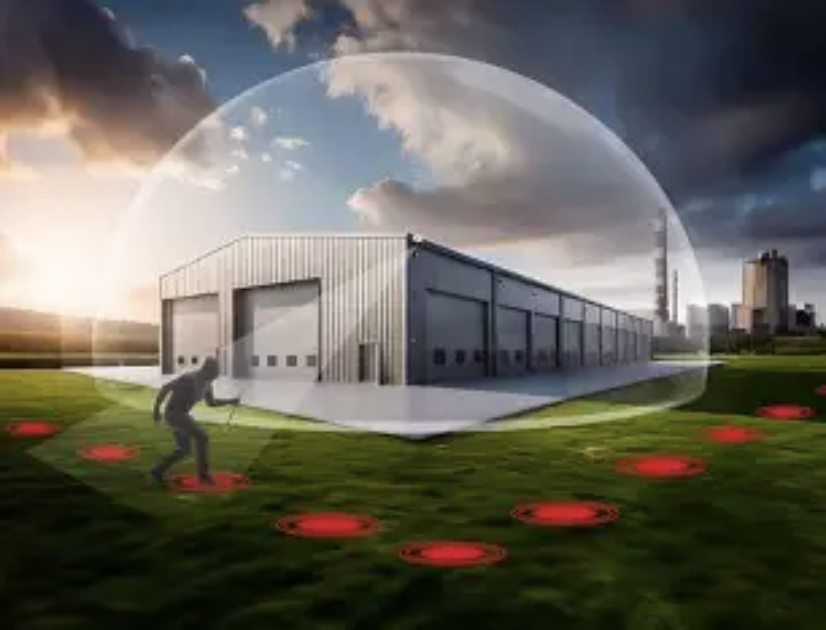
The worldwide competition in the semiconductor sector goes beyond just chips; it represents a critical contest to influence the technological, financial, and diplomatic landscape of the future. Each innovation, every agreement on supply chains, and every governmental policy has effects that extend well beyond the confines of manufacturing facilities. For those who comprehend its significance, this conflict highlights which countries and businesses will steer the forthcoming wave of advancements. Let us explore the various dimensions that render the chip conflict a struggle for the future's design.
Economic Independence: Breaking Free from Dependence
Nations previously depended on international chip supply chains, but recent interruptions have revealed weaknesses within this system. Presently, countries are in a rush to establish domestic chip production facilities and supply chains. For instance, the Chips and Science Act in the U.S. allocates $52 billion towards boosting local production, and the EU’s Chips Act seeks to enhance its share of the global semiconductor market by 2030. Here, economic independence involves not only preventing shortages but also generating employment, fostering research and development investments, and ensuring that no individual country can exploit access to chips as a tool of coercion.
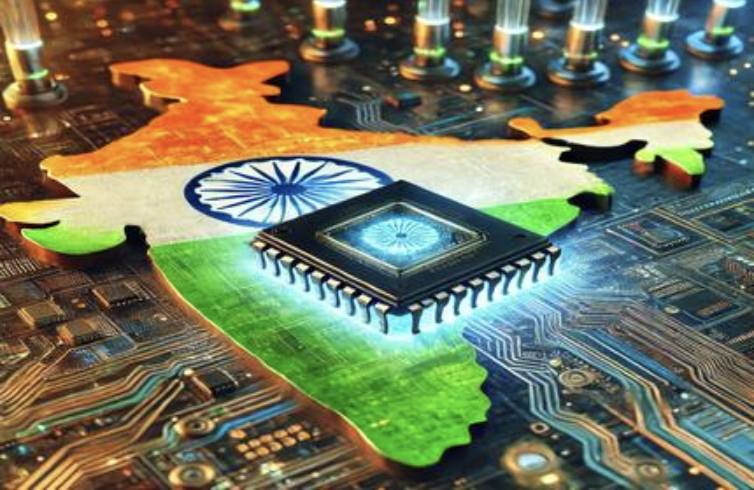
Chips now represent a novel dimension of geopolitical authority. Export restrictions on advanced chips and manufacturing tools confine specific countries in their capacity to create sophisticated weaponry or artificial intelligence systems. On the other hand, nations with ample chip supplies can cultivate partnerships by providing support to allies. This form of leverage goes beyond mere politics; it influences international trade agreements, diplomatic ties, and even the balance of military power. Thus, the chip conflict transcends economic interests; it is fundamentally a struggle for global prominence.
Industry Network: Creating Strong Alliances
Achieving success in the chip competition involves more than just fabrication facilities; it necessitates a comprehensive ecosystem. Enterprises are establishing close collaborations: chip designers connect with material suppliers, equipment manufacturers join forces with production companies, and technology leaders are backing startups. For example, the collaboration between Apple and TSMC is not solely focused on chip development; it encompasses co-creating unique manufacturing techniques that keep iPhones at the forefront. These interlinked ecosystems build entry barriers, ensuring that early frontrunners maintain their advantage for years.

Competence Supremacy: Attracting the Innovators of Tomorrow
The creation of chips depends on the expertise of the finest engineers, physicists, and material scientists globally. Nations and corporations are competing in a race for talent by offering salaries reaching into the millions, funding research, and even providing citizenship to draw in specialists. Silicon Valley finds itself in competition with Singapore, South Korea, and China for quantum computing experts and semiconductor engineers. The entity that secures exceptional talent not only prevails in the current chip competition; it guarantees a continuous flow of innovation for the future
Ethical and Environmental Responsibility
The future framework is also influenced by ethical and ecological considerations. Leading semiconductor manufacturers are striving to establish sustainable production practices by utilizing renewable energy sources in their facilities, minimizing water consumption, and recycling scarce materials. They are also tackling ethical issues surrounding the use of AI chips by implementing regulations for privacy and discrimination. Countries that take the lead in producing eco-friendly and ethical chips will dictate international standards, making their technology more sought after and impactful. This approach is not merely about being responsible; it is about gaining a moral advantage in tomorrow’s technological arena.

(Writer:Tommy)
Related Articles