Judging Tech Worth: A Discerning Guide
advertisement
In a landscape overwhelmed by transient technological fads, the ability to identify which advancements deserve focus requires more than a superficial interest, particularly for those who value significance, risk management, and enduring importance. For those who are used to building lives and assets of high quality, assessing technology relies on concealed criteria that go beyond mere excitement, connecting back to practical usefulness and deliberate value.

An eye-catching electronic device filled with many seldom-utilized capabilities might attract attention for a short while, yet the advancements that endure over time are those that effectively address ongoing challenges—be it reducing workflow hindrances or improving everyday life without introducing extra complications.
Problem-Solving Authenticity
Genuine value is rooted in meeting unfulfilled needs rather than fabricating unnecessary ones. Stay away from technologies that simply reinterpret already existing capabilities; instead, prioritize advancements that tackle real challenges—such as artificial intelligence-driven wealth management tools that uncover unseen tax inefficiencies in worldwide portfolios, or biotech wearables that track cellular aging in ways that extend beyond conventional fitness information. These address significant, consequential issues rather than trivial conveniences.
Valuable technology should evolve alongside your circumstances and assets. Assess whether it aligns with your future objectives: a smart home setup that works with forthcoming high-end IoT devices or blockchain applications that safeguard wealth transitions across generations. Technologies that are merely trends disappear, whereas innovations that offer scalable uses and opportunities for legacy creation maintain significance for wealthy individuals.
Regulatory Resilience
The value of technology diminishes in the absence of compliance with regulations. For users operating across borders, it is essential to seek innovations that conform to global standards—like AI applications that comply with both European Union data protection regulations and American financial laws, or biotech items approved by worldwide medical organizations. Regulatory challenges often hide within the enthusiasm surrounding trendy technology, diminishing profits for uninformed investors.
Ecosystem Compatibility
Affluent individuals typically possess established technology environments. An innovation that is worthy should integrate effortlessly with current assets—such as a private aviation software that synchronizes with personal trip management systems or art verification AI that connects to online collection inventories. Isolated, independent tech solutions waste time and lessen overall effectiveness.
Hidden Cost Transparency
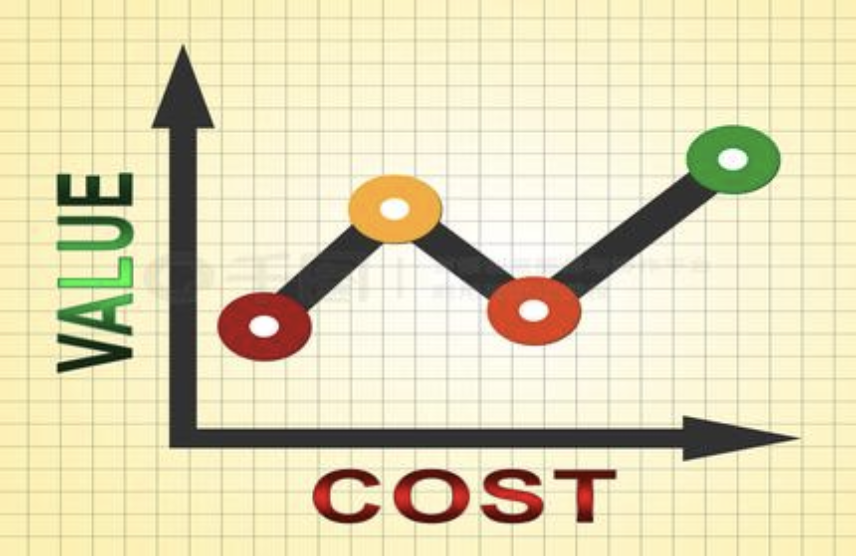
Real value steers clear of concealed expenses. Investigate beyond initial costs: Does the technology demand expensive annual updates? Will it replace existing high-value assets? For instance, a premium electric vehicle with a proprietary charging network might bring about long-term financial burdens, while alternatives using open standards maintain flexibility and lower future expenses.
Human-Centric Design
Valuable technology enhances the human experience rather than supersedes it. Dismiss innovations that focus on novelty at the expense of practicality—such as overly complicated smart jewelry that complicates daily living. Instead, opt for technology that promotes independence, such as voice-controlled home systems that adapt to individual preferences without the need for constant manual changes.

Evaluating the worth of technology centers on distinguishing value from triviality. For those with discernment, the aim isn't to pursue every trend but to concentrate on innovations that resonate with lifestyle, assets, and long-term aspirations—transforming technology into a strategic partner rather than a transient distraction.
(Writer:Ciki)
Related Articles