Profitable Tech: Why It’s Beyond Consumer Products
advertisement
We are inundated with consumer technology—stylish smartphones, intelligent home devices, and artificial intelligence assistants—that occupy media attention and permeate our everyday experiences. However, for individuals with the capacity to invest in the most profitable technology ventures, an important reality surfaces: the genuine financial gains in the tech sector are found not in the everyday items we utilize but in the unseen, foundational advancements that fuel industries, facilitate progress, and sidestep the fierce competition typical of the consumer market. The appeal of consumer gadgets is clear, yet it is the less glamorous, industry-oriented technology that yields enduring, significant returns.

Consumer Technology Endures Intense Commoditization
Consumer technology is ensnared in a fast-paced commoditization loop. Each new smartphone, smartwatch, or home-related gadget is swiftly reproduced, leading to reduced profit margins as companies compete primarily on cost instead of innovation. In contrast to products aimed at consumers, industrial technology—such as sophisticated copper-clad laminates for AI servers or precise optical components—features high entry thresholds, which restrict rivalry and maintain favorable profit margins.
Industrial Technology Benefits From Steady, Long-Term Demand
The demand for consumer technology is unpredictable, influenced by fleeting trends and rapidly shifting brand loyalty. On the other hand, industrial and enterprise technology addresses enduring, critical requirements: AI computational infrastructure, semiconductor manufacturing machinery, and tools for industrial biofabrication are vital for business operations and growth, ensuring consistent, recurring revenue that consumer technology rarely achieves.
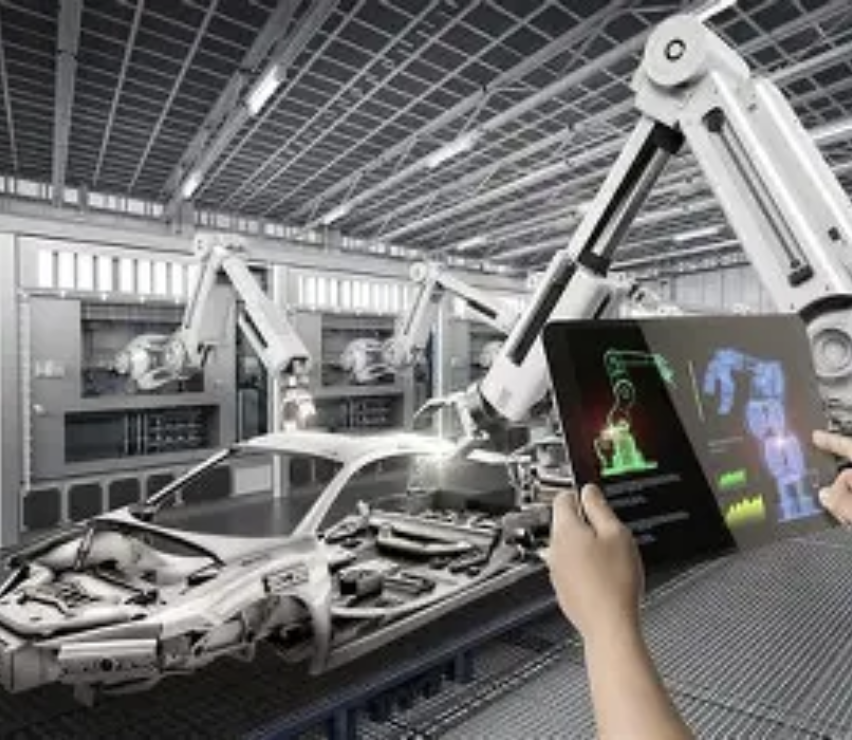
Valuations in consumer technology are often inflated by media attention and public interest, resulting in unsustainable highs and lows. The most lucrative technology—frequently referred to as “invisible technology” or “hidden champions”—operates within specific industrial niches, outside of the public eye. These advancements, including specialized semiconductor materials or industrial AI sensors, avoid promotional hype, allowing their valuations to correspond with genuine utility and profit potential.
Consumer Technology Depends on Volume Rather Than Margin
To achieve profitability, consumer technology companies must sell vast quantities of products, as the profit margins on individual items are extremely slim. In contrast, industrial technology caters to a smaller, more targeted clientele—corporations, manufacturing entities, and research facilities—who are willing to invest more for specialized, high-quality solutions that address critical challenges, leading to enhanced margins for each unit sold.
The most successful technology flourishes within environments characterized by significant barriers to entry—such as specialized knowledge, adherence to regulations, and extensive long-term research and development investment. Conversely, consumer technology is relatively simple to enter, marked by low research and development expenses and few regulatory challenges, resulting in market saturation. Industrial technology, including quantum computing equipment or advanced battery substances, demands years of targeted research, deterring potential competitors.
Consumer Technology Experiences Brief Innovation Cycles
Innovations in consumer technology often become outdated within months, compelling companies to perpetually invest in new designs and functionalities to remain competitive. This rapid turnover diminishes profits, as research and development expenditures outstrip revenue growth. In contrast, industrial technology tends to have more extended innovation cycles—typically 5 to 10 years—enabling firms to recover investments and yield steady returns over time.
The greatest gains in technology arise from adapting to enduring structural changes—such as automation in industry, the shift towards renewable energy, and the development of AI frameworks—rather than temporary consumer fashions. While consumer technology pursues immediate demand, technology focused on industrial and enterprise sectors drives future industries, transforming long-lasting societal and economic changes into ongoing profits that surpass the lifespan of consumer trends.
(Writer:Cily)
Related Articles